
Customer Support
How do I find the “Authorization Code” to transfer my domain?
If you wish to transfer a domain name managed through Papaki to another registrar, you will need an Authorization Code.
What is the Authorization Code?
The Authorization Code (also known as Auth Code, EPP code, or transfer key) is a unique security token required to transfer a domain name from one registrar to another. It acts as a:
- Key that verifies you are the legal owner of the domain.
- Confirmation that you approve the transfer.
- Protection against unauthorized domain transfers.
Domain extensions that do not require an Auth Code
Some domain extensions do not use an Authorization Code. Instead, alternative procedures apply:
- .uk (United Kingdom): Uses an IPS tag instead of an Auth Code. Your new registrar provides their tag, and you request the change from us.
- .es (Spain): Does not use Auth Codes. The transfer is completed through owner confirmation via email or through the new registrar’s platform.
What applies to .gr domains?
For domains with the extension .gr, .com.gr, or .ελ, transferring to a new registrar requires an Authorization Code.
How do I obtain the Authorization Code?
The Authorization Code:
- Is not displayed automatically in your control panel.
- Is generated only upon request and sent to the domain owner's email address.
To obtain it:
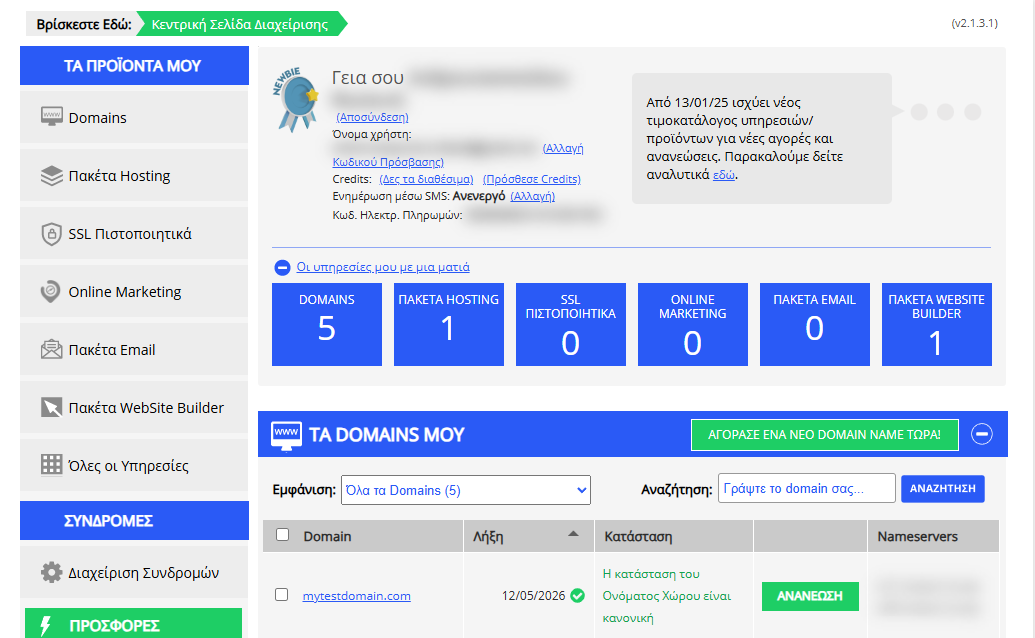
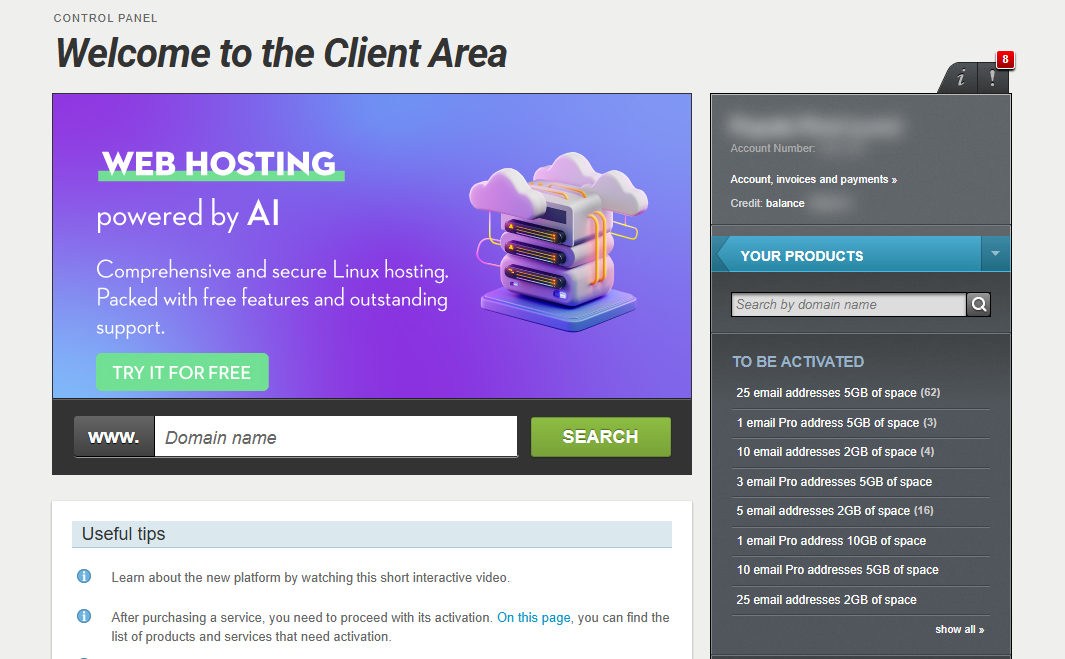
- From your Papaki account, select your domain and then click the Send Authorization Code button. This will automatically submit a request to the Hellenic Registry of Domain Names (EETT).
- The Hellenic Domain Registry will send an email to the domain owner containing an active link to generate the Authorization Code.
Attention! If you manage your domains through the old Papaki panel, please follow these instructions.
Important Timeframes & Conditions
- The link included in the email expires after six (6) hours and can only be used once.
- The generated Authorization Code is valid for 14 days from the date of issuance or until the registrar change is completed—whichever comes first.
[Papaki 2.0]
How to request the Authorization Code
You can retrieve and copy the Authorization Code from your Papaki account by following these steps:
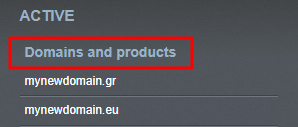
- From the right-side menu, go to Domains & Products and select the domain for which you need the code.
- Click on Domain & DNS, then select Auth-info Code.
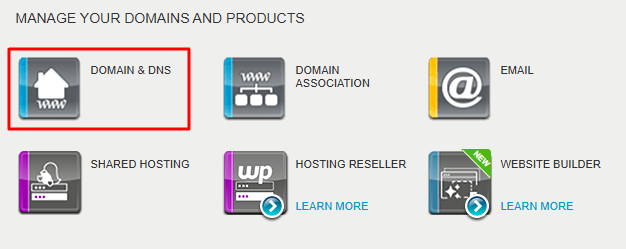
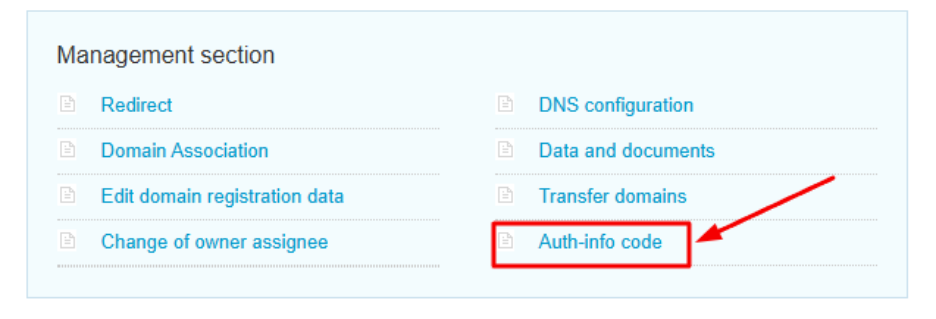
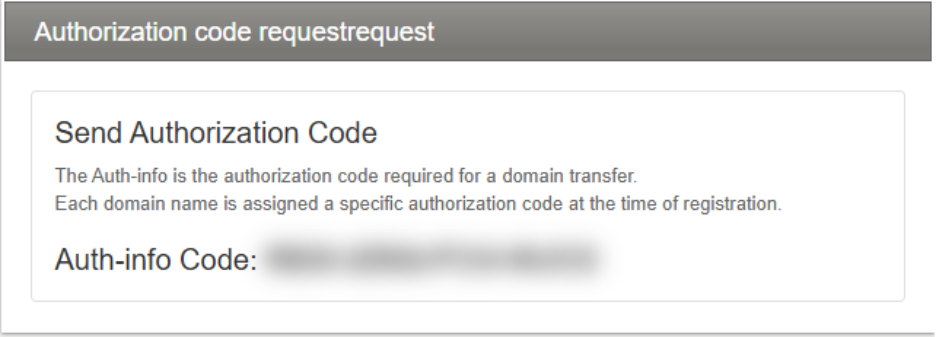
- The code will appear on your screen and can be copied for use during the transfer process. In case the auth code is not available through your control panel, follow the steps for each registry.
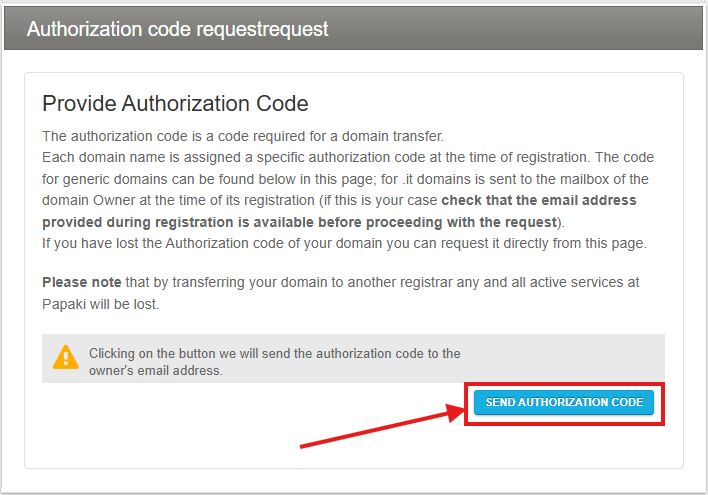
- If the authorization code is not displayed, it means that a new one must be generated. Click the Send Authorization Code button to have it sent to the registrant's email address. This process applies to all domains under the Greek Registry, including .gr, .com.gr, and related extensions.
What could prevent the code from appearing?
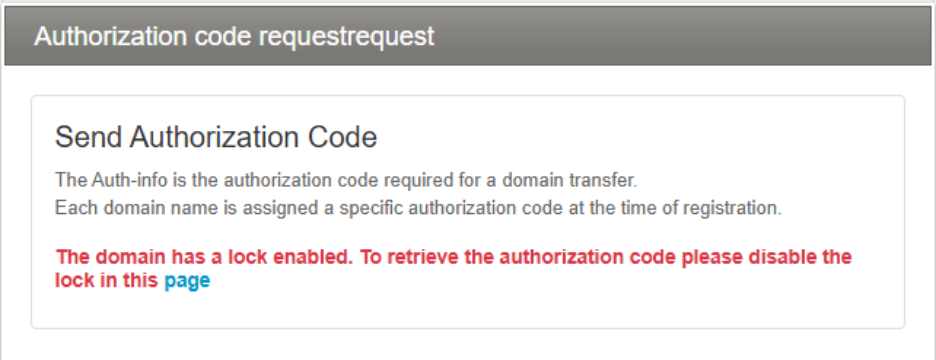
- The domain is locked
You must disable domain locking to retrieve the Auth Code. See instructions here.
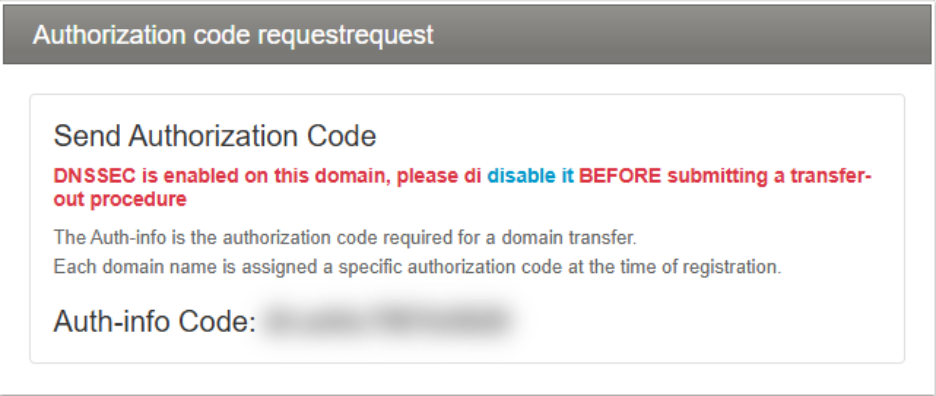
- DNSSEC is enabled
Before proceeding with the transfer, make sure to disable DNSSEC. Learn more here.
- Both domain lock and DNSSEC are enabled
If both are active, you must disable both features before attempting to retrieve the code or initiate a transfer.
Important Notice
- If you are using free products or services provided by Papaki along with your domain (such as free email, DNS, or free WordPress hosting packages):
- Transferring your domain to another registrar will deactivate these services.
- Email content will be deleted after 7 days from the deactivation of the free email service.
- If you have a paid email hosting package:
- The email service will be deactivated, but the hosting package will remain available in your control panel.
- If you have a hosting plan or Site Builder connected to your domain:
- You will need to set the appropriate A record in the active DNS zone after the transfer.
When can I transfer my domain?
You may initiate a transfer at any time, but consider the following:
- If you are not using Papaki's free services (email, DNS, etc.), there is no risk of disruption.
- If you are using the free email service, make sure to back up your mailbox content before proceeding.
- After the transfer, if your domain was using Papaki’s free DNS service, you will need to configure new nameservers with your new registrar.
- If you have hosting or other services connected via Papaki’s DNS, you must manually add the appropriate A record to your new DNS zone (either at your new registrar or using an external DNS service, such as Cloudflare).
[Papaki 1.0]
In case you wish to transfer your domain from Papaki to another registrar, you will need the authorization code, which you can easily receive in your domain owner's email by following the steps below:
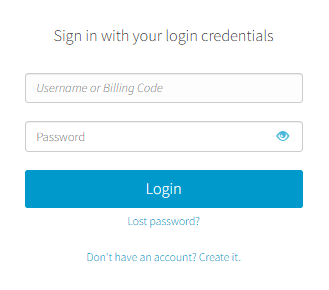
- Log in to your Papaki account.
Forgot your password? See here how to recover it. If it's your first login attempt to the new Papaki panel, please read more here
- Click the red button Previous client area » on the right side of the control panel to access the old Papaki panel.

3. Choose from the left menu Domains and then the domain you want.
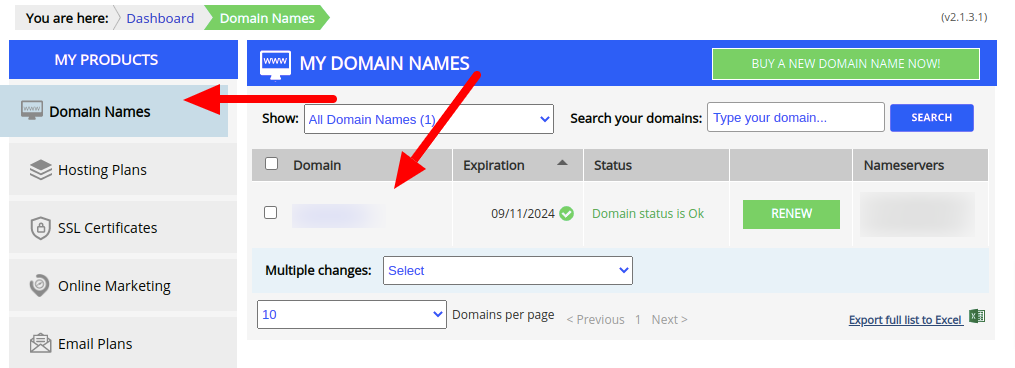
4. Select Send by email.
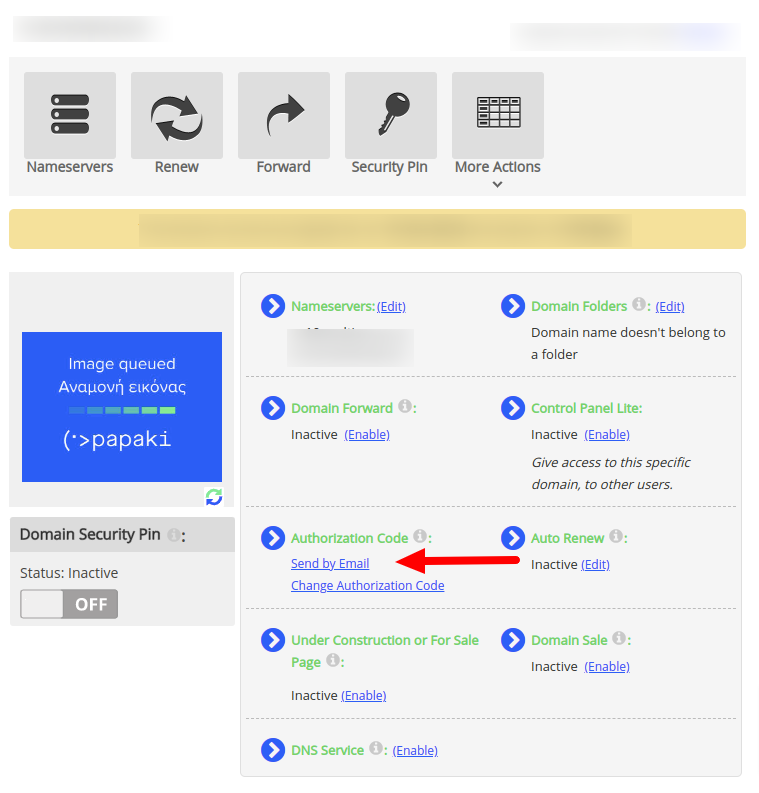
Depending on the .tld, the completion of the process may differ according to the regulations of the respective registry.
For .eu domains, the authorization code is valid for 40 days, after which a new one needs to be issued.
Regarding .gr domains, the registry will send an email to the domain owner's email account, which will include a one-time use link with a validity of 6 hours. By clicking on this link, you will be able to copy the authorization code.
Domains ending in .uk do not have an authorization code. In these cases you will need to contact the new registrar to let you know what their tag is.
Then you will need to send a ticket to the Customer Service, where you will request to change the tag for the specific domain to the one given to you by the next registrar.
You can send a ticket from your Papaki account.
You haven't found what you are looking for?
Contact our experts, they will be happy to help!
Contact us